
In my own experience, cutting back on alcohol not only improved my energy levels but also seemed to reduce the frequency of common colds and other infections. It’s empowering to realize that such changes can have a meaningful impact on our long-term health. Alcohol and drug overuse has negative effects on Sobriety the immune system but can also make mental illness worse and cause you to develop serious respiratory and other infections and long-term health problems. In addition to its direct effects, alcohol addiction can also weaken your immune system in other ways. A well-balanced diet rich in fruits, vegetables, whole grains, and lean proteins supports immune function. Foods high in antioxidants, vitamins (such as C and D), and minerals (like zinc) can bolster our defenses.
Alcohol distracts the body from other functions

«When you’re feeling run down alcohol and immune system or like you might get sick, you want to be well hydrated so that all the cells in your body have enough fluid in them and can work really well,» Favini says. You can explore our Immunity Supplements collection for high-quality, science-backed options designed to enhance your wellness journey. However, when alcohol enters the picture, it can disrupt the balance and function of these systems. Reframe supports you in reducing alcohol consumption and enhancing your well-being.
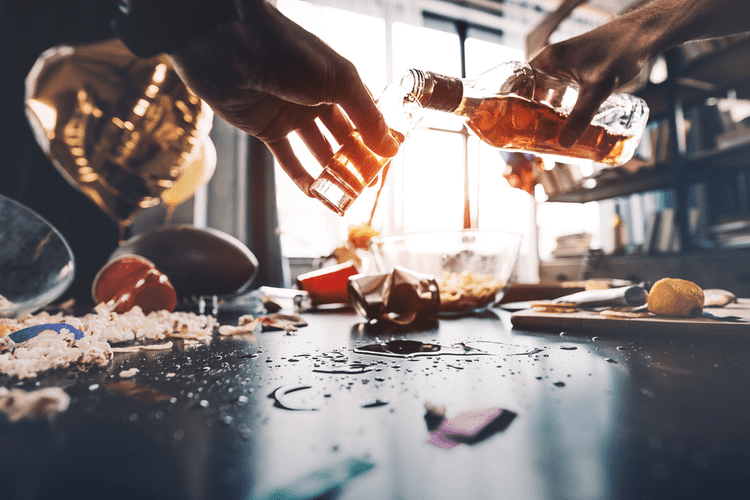
Impact of Alcohol on Inflammation, Immunity, Infections, and Extracellular Vesicles in Pathogenesis
If you’re experiencing a cough, limiting alcohol consumption can prevent further mucus thickening. Hydration is key—for every alcoholic beverage, drink an equal amount of water to counteract dehydration. For adults, a https://smarthaven.blog/2025/12/25/after-work-wine-meditations-to-maximize-stress/ standard drink is defined as 14 grams of pure alcohol, equivalent to 12 ounces of beer (5% ABV), 5 ounces of wine (12% ABV), or 1.5 ounces of distilled spirits (40% ABV).
- In contrast, diets higher in omega-3 fats reduce the production of those lipids and enhance immune function (13, 14).
- No one wants to participate in activities that suppress the body’s immune system.
- Similarly, the TNF-α levels produced in response to a challenge with a bacterial antigen were decreased in mice that had received a single dose of alcohol.
- Alcohol use also impairs the body’s defense against pathogens infecting the lungs, such as pneumonia-causing bacteria (e.g., pneumococci, Klebsiella pneumoniae, and Legionella pneumophila) and M.
Long-Term Changes in the Immune System of a Regular Drinker
When severe instances occur, a person’s immune system may not be powerful enough to get rid of the infection. However, there are certain bacteria that do not respond to drugs or medical treatment. Moreover, some people shouldn’t drink at all, according to the Dietary Guidelines. This includes people who are pregnant, have alcohol abuse disorder, or are taking medications that interact with alcohol. As we navigate our choices around alcohol, let’s remember that our health is in our hands. Together, we can make informed decisions that empower us on our wellness journeys.
- Over time, this constant battle within the gut spills over, affecting other organs.
- For example, alcohol-induced immune suppression can hinder the body’s ability to recognize and destroy cancerous cells, contributing to higher cancer incidence rates among heavy drinkers.
- White blood cells play a crucial role in defending the body against harmful pathogens.
- Foods high in antioxidants, vitamins (such as C and D), and minerals (like zinc) can bolster our defenses.
- Plant-based foods also fill you up with fiber, which helps lower your body fat percentage, which can strengthen your immune response.