Why Do I Sneeze When I Drink Alcohol?

We use a pharmacist-formulated blend of Glutathione, Dihydromyricetin, Cysteine, L-Theanine, & B Vitamins to stop alcohol flushing alcoholism symptoms before it can begin.

Why Do I Sneeze When I Drink Alcohol? Causes and Solutions Explained

Sunset Alcohol Flush Support is a natural supplement that works specifically to reduce all of these symptoms, including a stuffy nose after drinking alcohol. Sunset works with the body to break down alcohol quickly and effectively, so you don’t experience the negative symptoms. Many people report that red wine causes the most noticeable nasal congestion, even in those without an alcohol allergy or alcohol intolerance. Some individuals lack sufficient amounts of the enzyme Diamine Oxidase (DAO), which breaks down ingested histamine. When DAO is deficient or inhibited, histamine is not efficiently metabolized, leading to a systemic buildup that triggers symptoms. Alcohol itself can also inhibit DAO function, creating a double effect by introducing histamine and preventing its breakdown.

True Alcohol Allergy: Rare, Real, and Often Misdiagnosed

And consult a specialist who understands that sneezing after wine isn’t “all in your head”—it’s in your enzymes, your nerves, and your mast cells. In conclusion, the exact reasons behind why some people sneeze after drinking alcohol are not definitively known. The most commonly proposed explanations include congestion, allergies, nerve stimulation, and genetic factors. If this phenomenon causes significant distress or worsens over time, it is recommended to consult with a healthcare professional to rule out any underlying issues. It’s produced during fermentation by lactic acid bacteria and yeast, particularly in wines aged on lees (like many Chardonnays), barrel-aged beers, and red wines with extended maceration. Histamine binds to H1 receptors in nasal tissue, prompting vasodilation, mucus secretion, and nerve activation—all precursors to the sneeze reflex.

The Histamine Connection: Why Alcohol Acts Like a Histamine Bomb

  • Sulfites, naturally present or added as preservatives, are also common triggers, helping maintain the beer’s freshness and color stability.
  • They’re not a reliable solution and shouldn’t replace root-cause assessment.
  • If you’re allergic to a specific grain, beer won’t be your only problem.

Low-histamine winemaking (cold fermentation, minimal aging, sterile filtration) is rare and rarely labeled. While beer is not a common irritant, several factors related to its consumption may contribute to sneezing in certain individuals. Understanding these factors can help identify the cause and address the issue effectively. Sneezing is a natural reflex that helps expel irritants from the nasal passages and throat. It is triggered by the stimulation of the mucous membranes in the nose or throat.

  • Either way, it’s definitely something to keep an eye on if you’re out enjoying some beers with friends.
  • It is not known for certain why some people experience sinus congestion after drinking red wine, but it is believed to be due to a combination of factors.
  • Just like wine, beer has a lot of ingredients that can make someone react negatively.
  • Alcoholic beverages—especially red wine, champagne, cider, and craft beer—are naturally rich in histamine, a biogenic amine produced during fermentation and aging.
  • It’s best to monitor how your body responds to alcohol and avoid it if it worsens your symptoms.

Her elusive art of winemaking brings a touch of elegance to every sip, creating a sensory journey for wine lovers. The good news is, simple wine sneezes are nothing to be concerned about if the symptoms are mild. She loves scouring the internet for delicious, simple, heartwarming recipes that make her look like a MasterChef winner.

why does alcohol make me sneeze

Can sneezing after drinking alcohol be a sign of an underlying medical condition?

Anaphylaxis, a rare but life-threatening reaction, can cause swelling of the face, tongue, or throat, difficulty breathing, rapid pulse, and loss of consciousness. It is important to note that some people may have a ginger allergy, which can cause allergic reactions, including coughing and sneezing. sneezing when drinking alcohol If you experience symptoms after consuming ginger or coming into contact with it, it is recommended to seek medical attention and avoid ginger products. One of the most common alcohol-related allergic reactions is to wines containing sulfites. Sulfites are used as a preservative in wine and other alcoholic beverages, but can lead to an adverse reaction in some people. Symptoms of this kind of allergy include sneezing, itching, hives and difficulty breathing.
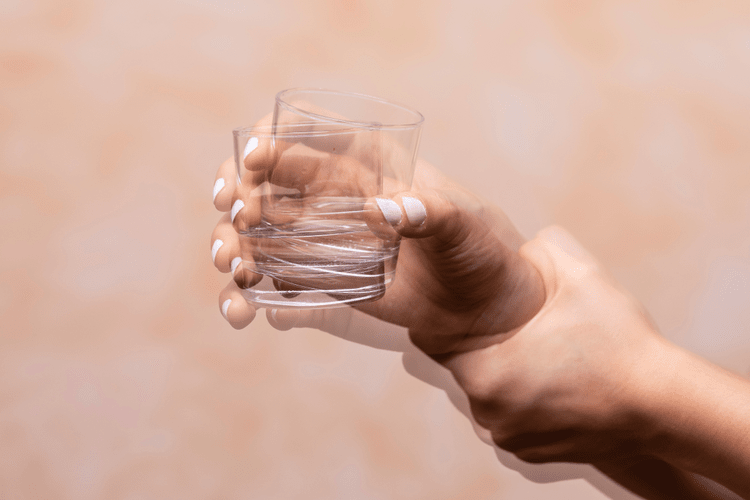
why does alcohol make me sneeze

Allergy testing (skin prick or specific IgE blood tests) can rule out true allergy—but won’t detect non-IgE mechanisms. It https://www.rai.com.br/what-s-that-fuzzy-feeling-in-your-head-7-warning/ is important to seek medical advice as soon as possible if you experience any of these symptoms after drinking wine. A doctor will be able to determine the cause of your symptoms and provide appropriate medical treatment. In some cases, it may be necessary to discontinue drinking wine altogether to avoid further complications. If you experience any symptoms after consuming alcohol, it is important to speak to a doctor to ensure your health and safety. They will be able to provide the best advice for treating any underlying medical condition.

Before jumping to conclusions—or eliminating alcohol entirely—use this evidence-based tracking method over 2–3 weeks. It clarifies whether your sneezing is dose-dependent, beverage-specific, or context-driven. Research identifies three overlapping pathways responsible for alcohol-induced sneezing and related symptoms. Kaia, a distinguished sommelier known for her unparalleled expertise in rare and exotic wines, understands the art of wine pairing.

Common Culprits in Beer

Consuming alcohol can also increase the risk of severe allergic reactions (anaphylaxis) from other causes such as food. Sneezing occurs because histamine binds to H1 receptors in nasal mucosa, triggering vasodilation, glandular secretion, and sensory nerve activation. This isn’t an allergic response in the classical IgE sense—it’s a pharmacological overload. Histamine intolerance arises when dietary histamine overwhelms the body’s capacity to degrade it. Alcohol inhibits diamine oxidase (DAO), the primary intestinal enzyme responsible for breaking down ingested histamine. Simultaneously, fermented beverages—including beer, wine, champagne, and aged liquors—are naturally high in histamine due to bacterial decarboxylation of histidine during aging.
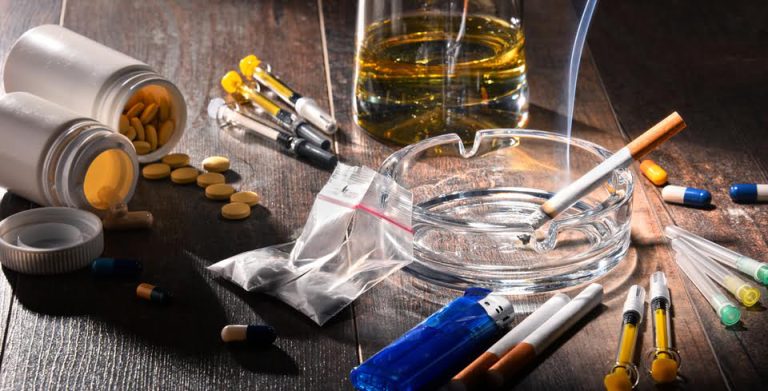

Building a Support System During and After Rehab

Whether you’re early in your sobriety journey or celebrating months of sobriety, these recovery communities provide positive influences and authentic connections. A sober support network is a support group of individuals who provide emotional, psychological, and often practical assistance to someone in recovery from substance or alcohol abuse. Aftercare programs can include a variety of services, such as counseling, support groups, educational and vocational training, and life skills coaching. Community living experiences in sober living homes provide individuals with opportunities to develop essential life skills, such as effective communication, conflict resolution, and financial management. Residents learn to navigate daily responsibilities while receiving support from their https://Nanang.sditnurulhudapraci.sch.id/50-sobriety-gifts-ideas-effective-substance-abuse/ peers and staff members. This experience helps individuals gradually transition to independent living and equips them with the tools necessary for long-term recovery.

what is sober networking

Detox Programs

  • This means that insurance plans sold through the ACA marketplace must cover addiction treatment services, including detoxification, inpatient and outpatient treatment, and aftercare programs.
  • The importance of a sober social network lies in its multifaceted support.
  • AA meetings are available worldwide, making it accessible to individuals seeking support in their journey towards sobriety.
  • Recovering from substance use disorder takes courage and determination, and it’s important not to underestimate that as you move through the process.

Establishing a sober support network can begin with reaching out to those who genuinely care about your well-being and are willing to support your journey. Open communication about your recovery goals allows loved ones to understand how they can help. This step not only strengthens bonds but also fosters a healing environment. Surrounding yourself with friends, family, and peers who are committed to sobriety offers accountability and encouragement throughout your recovery journey. This network serves as a safety net, providing emotional support during challenging times while reinforcing your goals.

Heroin Detox in Ohio: The First Step to Recovery

  • It’s crucial to seek out individuals who align with your values and goals in recovery.
  • But many people who have been sober for years continue to attend AA meetings.
  • Sober networking helps by connecting with others pursuing the same goals, providing a sense of community.
  • Not everyone in your life will be an ideal part of your recovery circle, and that’s okay.

By making the decision to attend rehab, you take the first step towards a new and purposeful life. We’re here to help you get answers to your questions, and help you find a facility to meet your needs. Because of the COVID-19 pandemic, many traditional groups like AA have started to hold regular virtual meetings. But there are also support groups that have always existed purely online. Whether a 12-step program or a support group is a better fit will depend entirely on your preferences. When drug addiction it comes to support systems specifically designed for those in recovery, there are several types and options to explore.

California Fentanyl Rehab & Addiction Treatment

Living in a sober home will be similar to living in rehab, but here, you will continue to work or go to school and have financial independence. You’ll still attend group meetings and have a support system, but you can come and go out of the home whenever you’d like. There still are curfews, a no-tolerance policy toward alcohol and drugs, and other rules in place to ensure that residents can thrive in a positive, encouraging environment. If you are recovering from addiction and feel that a sober living home is the right next step in your journey, contact Turning Point Recovery Network today.

The role of DBT in emotional regulation during recovery

what is sober networking

Sober living homes offer a transitional environment to help people bridge the gap between treatment and the real world. Maybe they have children at home to care for or think they cannot afford treatment or that it will cause them to lose their job. For those who do not or cannot go into residential treatment, outpatient treatment and/or 12-step programs are an option. For anyone leaving treatment–whether residential or outpatient–recovery meetings can fill a crucial need to offer continued support. There is a saying in twelve-step programs that makes a lot of sense—do 90 in 90.

what is sober networking

What are the benefits of participating in sober activities and volunteering?

Support networks encourage accountability through regular check-ins and the establishment of recovery goals. This structure fosters commitment and keeps individuals motivated to stay focused on their recovery journey. Knowing that peers or family members are observing progress or setbacks can significantly reduce the urge to relapse. Support networks foster accountability, as friends, family, and peers check in on recovery progress and encourage adherence to sobriety goals. Knowing that others care about one’s journey can serve as a strong motivator. This accountability can prevent individuals sober network from falling back into old habits, making it more difficult to relapse.

A critical review of recent knowledge of alcohol’s effects on the immunological response in different tissues

In my own experience, cutting back on alcohol not only improved my energy levels but also seemed to reduce the frequency of common colds and other infections. It’s empowering to realize that such changes can have a meaningful impact on our long-term health. Alcohol and drug overuse has negative effects on Sobriety the immune system but can also make mental illness worse and cause you to develop serious respiratory and other infections and long-term health problems. In addition to its direct effects, alcohol addiction can also weaken your immune system in other ways. A well-balanced diet rich in fruits, vegetables, whole grains, and lean proteins supports immune function. Foods high in antioxidants, vitamins (such as C and D), and minerals (like zinc) can bolster our defenses.

Alcohol distracts the body from other functions

does alcohol suppress immune system

«When you’re feeling run down alcohol and immune system or like you might get sick, you want to be well hydrated so that all the cells in your body have enough fluid in them and can work really well,» Favini says. You can explore our Immunity Supplements collection for high-quality, science-backed options designed to enhance your wellness journey. However, when alcohol enters the picture, it can disrupt the balance and function of these systems. Reframe supports you in reducing alcohol consumption and enhancing your well-being.

does alcohol suppress immune system

Impact of Alcohol on Inflammation, Immunity, Infections, and Extracellular Vesicles in Pathogenesis

If you’re experiencing a cough, limiting alcohol consumption can prevent further mucus thickening. Hydration is key—for every alcoholic beverage, drink an equal amount of water to counteract dehydration. For adults, a https://smarthaven.blog/2025/12/25/after-work-wine-meditations-to-maximize-stress/ standard drink is defined as 14 grams of pure alcohol, equivalent to 12 ounces of beer (5% ABV), 5 ounces of wine (12% ABV), or 1.5 ounces of distilled spirits (40% ABV).

  • In contrast, diets higher in omega-3 fats reduce the production of those lipids and enhance immune function (13, 14).
  • No one wants to participate in activities that suppress the body’s immune system.
  • Similarly, the TNF-α levels produced in response to a challenge with a bacterial antigen were decreased in mice that had received a single dose of alcohol.
  • Alcohol use also impairs the body’s defense against pathogens infecting the lungs, such as pneumonia-causing bacteria (e.g., pneumococci, Klebsiella pneumoniae, and Legionella pneumophila) and M.

Long-Term Changes in the Immune System of a Regular Drinker

When severe instances occur, a person’s immune system may not be powerful enough to get rid of the infection. However, there are certain bacteria that do not respond to drugs or medical treatment. Moreover, some people shouldn’t drink at all, according to the Dietary Guidelines. This includes people who are pregnant, have alcohol abuse disorder, or are taking medications that interact with alcohol. As we navigate our choices around alcohol, let’s remember that our health is in our hands. Together, we can make informed decisions that empower us on our wellness journeys.

  • Over time, this constant battle within the gut spills over, affecting other organs.
  • For example, alcohol-induced immune suppression can hinder the body’s ability to recognize and destroy cancerous cells, contributing to higher cancer incidence rates among heavy drinkers.
  • White blood cells play a crucial role in defending the body against harmful pathogens.
  • Foods high in antioxidants, vitamins (such as C and D), and minerals (like zinc) can bolster our defenses.
  • Plant-based foods also fill you up with fiber, which helps lower your body fat percentage, which can strengthen your immune response.

Alcoholism Causes & Common Risk Factors

Contact us today to schedule an initial assessment or to learn more about our services. Whether you are seeking intensive outpatient care or simply need guidance on your mental health journey, we are here to help. Social isolation, job loss, and daily dysfunction are common, potentially leading to life-threatening conditions without intervention. Excessive drinking, frequent blackouts, neglect of responsibilities, and personal relationship issues occur. The more familiar term “alcoholism” may be used to describe a severe form of AUD, but physicians, researchers, and others in the medical community tend not to use the word. Drinking alcohol on a regular basis can also lead to dependence, which means your body and brain have grown used to alcohol’s effects.

Social, academic, and legal issues:

Having schizophrenia, post-traumatic stress disorder or bipolar disorder can be frustrating and difficult. People with mental health disorders tend to drink to mitigate their symptoms and feel better. Even if alcohol temporarily eases symptoms of depression and anxiety, drinking frequently can lead to a high tolerance and, eventually, alcoholism. On top of that, alcohol can actually make mental health symptoms worse at times. Alcohol use disorder is characterized by excessive drinking, an inability to control alcohol consumption, and continued drinking despite the negative impacts of alcohol abuse on one’s life.

causes and effects of alcoholism

Condition Spotlight

It usually develops gradually as drinking becomes more frequent, more routine, and more difficult to stop. You can expect to hear about more research, debate, and controversy in the near future regarding the potential risks and benefits of drinking, and how much — if any — is ideal. The definitions for a drink in the US are the common serving sizes for beer (12 ounces), wine (5 ounces), or distilled spirits/hard liquor (1.5 ounces). For example, a 2018 study found that light drinkers (those consuming one to three drinks per week) had lower rates of cancer or death than those drinking less than one drink per week or none at all. Doctors may treat withdrawal syndrome with medication or supportive care and monitoring. This may include medications like benzodiazepines or barbiturates (off-label), which require close monitoring and reassessment.

Frequent Alcohol Consumption Over A Long Period

  • A doctor can help assess your situation and recommend treatment to reduce these symptoms.
  • Work with licensed professionals who can create a specific treatment plan based on your recovery needs.
  • Genetic, psychological, social and environmental factors can impact how drinking alcohol affects your body and behavior.
  • This continuing education opportunity is jointly provided by the Postgraduate Institute for Medicine and NIAAA.

In some cultures, alcohol consumption is deeply ingrained and widely accepted as a social activity. This normalization of alcohol can contribute to the development of alcoholism. It is important to note that cultural norms surrounding alcohol can vary greatly across different societies and communities. While alcohol may initially provide a sense of relief, it can ultimately exacerbate the effects of stress and trauma, leading to a vicious cycle of alcohol dependence and worsening mental health.

  • But more recent research suggests there’s really no “safe” amount of alcohol since even moderate drinking can negatively impact brain health.
  • With continued alcohol use, steatotic liver disease can lead to liver fibrosis.
  • Drug addiction, also called substance use disorder, is a disease that affects a person’s brain and behavior and leads to an inability to control the use of a legal or illegal drug or medicine.
  • Contact a treatment provider now to learn about available treatment options.

Some people will go through periods where they remain sober, but then relapse. When it comes to overcoming alcoholism, seeking help and support is crucial for individuals who want to quit their addiction. There are various treatment options and support systems available to assist individuals on their journey to recovery. Cultural norms play a significant role in shaping our attitudes and behaviors towards alcohol.

causes and effects of alcoholism

Stress is another psychological factor that can trigger alcoholism. High levels of stress, whether from work, relationships, or financial difficulties, can push people to drink excessively in an attempt to alleviate tension. Chronic stress also impacts the brain’s reward system, making alcohol more appealing as Substance abuse a form of escape. Alcohol withdrawal can be difficult and, in some cases, life threatening. Depending on how often you drink and how much, you may need support from a healthcare professional if you want to stop drinking.

What are the complications of alcohol use disorder?

People with alcohol use disorder often develop a tolerance, requiring more alcohol to achieve the same effects, and experience withdrawal symptoms when they stop drinking. Those suffering from mental health disorders why do people become alcoholics commonly turn to alcohol to feel better. Individuals who suffer from depression and drink excessively have more depressive episodes, and those episodes tend to be more severe. Heavy alcohol consumption also reduces the effectiveness of antidepressants while increasing suicidal thoughts.

  • He has a nursing and business/technology degrees from The Johns Hopkins University.
  • It is important to recognize that social factors, including cultural norms and the accessibility of alcohol, are significant contributors to the development of alcoholism.
  • Overall, rates in Africa are low, but they are very high in the new urban slums.

Notably, distinct differences https://hicirac.org/understanding-the-relationship-between-addiction/ in the activity of this neural circuit were identified among male mice with identical alcohol exposure experiences. The findings of this work, and of related studies, further highlight the significance of individual variance in compulsive alcohol consumption. As the body adapts to the presence of the drug, dependency and addiction can result.